
Anyone who has dealt with an illness or physical ailment whether chronic or acute knows that sickness is a part of life that is challenging for both the person experiencing the condition as well as the people surrounding them.
It can rip open our existing set of beliefs about the world and about what we think about God.
We start to ask, “why would God allow something like this to happen”, “is there really a God or loving source that would create a world with this suffering”, “if God heals me I’ll believe in him, but if not it doesn’t really make much sense”, and many others thoughts.
While this is very challenging to go through, this process can also have a way of deepening our relationship with God and developing more understanding and compassion for others in the world as illness is a universal phenomenon.
While I am not God and cannot answer the question of why he would allow the kinds of illness we experience in the world to exist, I want to take a look at some of the main passages in the bible that were related to healing in an attempt to learn from them.
Maybe we can learn some things that will help us and others heal a bit spiritually and physically.
Passages of Healing in The Bible With Jesus
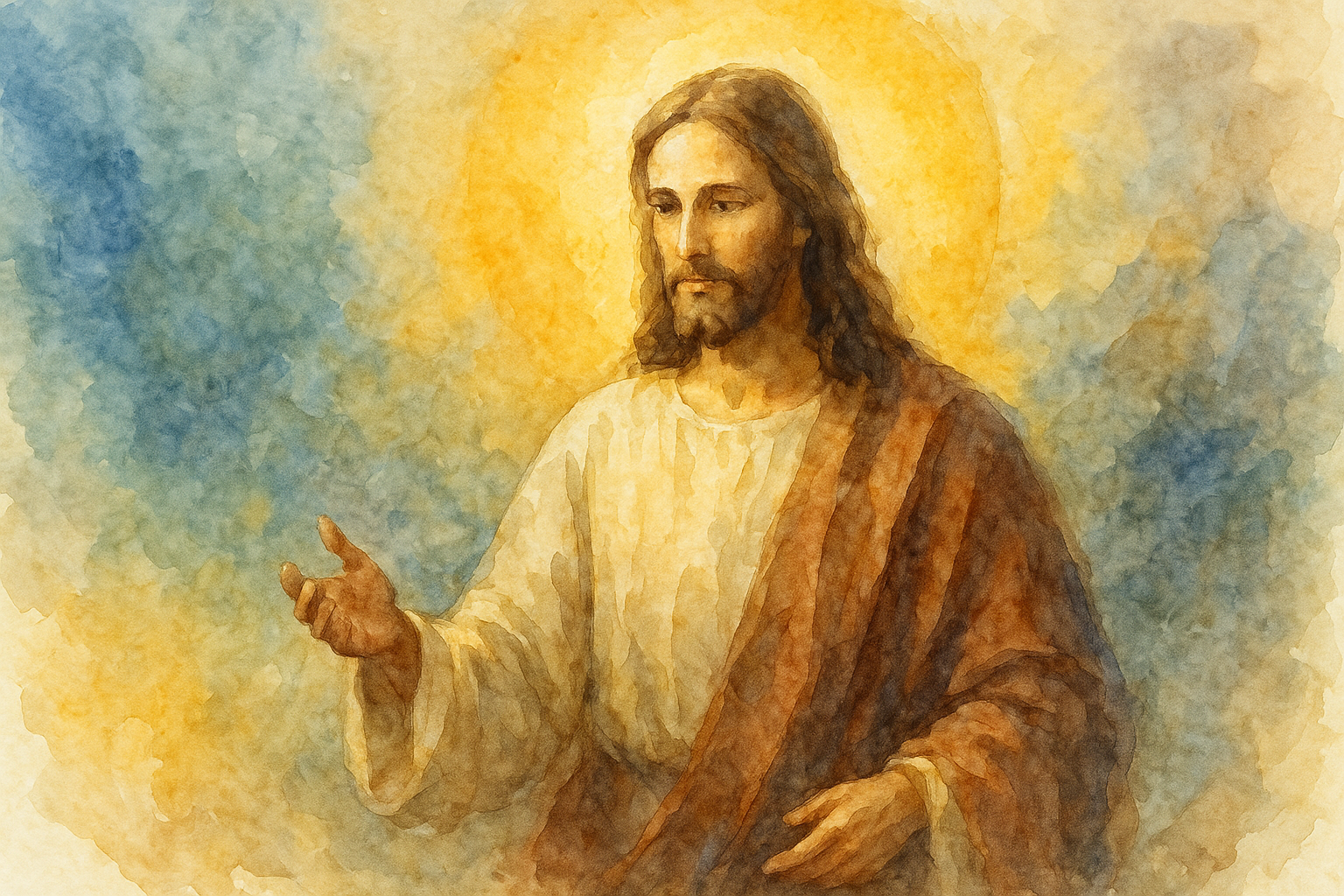
Let’s study and analyze the passages in the bible where Jesus healed.
1. Leper Cleansed
Passage: (Matthew 8:2–3; Mark 1:40–42; Luke 5:12–13)
A man suffering from a chronic skin disease approaches Jesus, kneels before Him, and says, “Lord, if you are willing, you can make me clean.”
Though Jewish law required ceremonially “unclean” people to stay away from public life, Jesus reached out and touched him—risking ritual impurity—to pronounce him healed.
Immediately, the leprosy vanished.
.What Can We Learn:
- Compassion over Power and Rule Keeping: Jesus refused to let religious rules block His love to restore and heal the man who asked him.
- The Faith of The Man: the faith of the man with Leprosy to show up in public and actually ask Jesus to heal him around other people showed his faith in God.
- Willingness of God: His “I am willing” shows that God delights in restoration.
- God Can Heal: God can heal both physically and spiritually. It’s hard to understand why he doesn’t sometimes, but he has the capability to heal in some circumstances.
2. Centurion’s Servant Healed at a Distance
Passage: (Matt 8:5–13; Luke 7:1–10)
A Roman officer—considered a Gentile outsider—asks Jesus to heal his paralyzed servant.
Remarkably, the centurion trusts Jesus’ authority so completely that he doesn’t need Him on-site: “Just say the word, and my servant will be healed.”
Jesus marvels at this unprecedented faith and grants the healing at that very hour.
What We Can Learn:
- Authority of Christ: His word and presence alone carries the power to heal anywhere.
- Inclusivity of the Kingdom: Jesus honors faith beyond Israel’s borders and God cares about all people whether they label themselves as Christian or not if they are sincerely seeking him.
- Faith in Jesus/God Heals: Trust and faith in Jesus that he can actually heal is what opens the door to healing.
3. Woman with Chronic Bleeding
Passage: Matthew 9:20–22; Mark 5:25–34; Luke 8:43–48
For twelve years a woman has suffered constant bleeding—socially and ritually isolated by her condition.
In a desperate, hopeful crowd she reaches out to touch Jesus’ cloak, believing that even a brush against His garment will heal her.
Immediately, her bleeding stops, and Jesus, feeling power go out from Him, stops to ask who touched him. Trembling, the lady told Jesus it was her and Jesus told her “your faith has healed you”.
What We Can Learn:
- Persistence in Faith: Quiet, courageous faith is what allows one to find Jesus’ healing power.
- Honesty and humility before God: The woman went trembling before his feet to let him know why she had touched him. This was a humble and authentic response to Jesus.
- Jesus holds the power of God which heals: In this passage Jesus was holding the power of God and just a touch of Him or a transmission of God’s power was able to heal.
4. Paralytic Lowered Through the Roof
Passage: Matthew 9:1–8; Mark 2:1–12; Luke 5:17–26
Unable to reach Jesus because of the crowd, four friends tear open a roof and lower their paralyzed companion before Him.
Jesus first declares the man’s sins forgiven—provoking religious leaders—then heals his paralysis, inviting him to “get up, take your mat and go home.”
What Can We Learn:
- Intercession of Community: Bold and loving action from friends or caregivers is critical on the pathway to healing.
- Love over Power: Jesus was willing to heal the man in a situation where the Pharisees had power and control. They were furious when he said he could forgive sins and heal the man.
- Priority of Spiritual Healing: In this situation, forgiveness of sins and spiritual purification preceded a physical cure, showing that Jesus is Lord over sin and sickness alike.
- Holistic Wholeness: Body and soul are intertwined; Jesus cares for both dimensions of our brokenness. There is both spiritual and physical healing and they are interconnected.
5. Blind Bartimaeus Receives Sight
Passage: Matthew 20:29–34; Mark 10:46–52; Luke 18:35–43
As Jesus leaves Jericho, a blind beggar shouts, “Jesus, Son of David, have mercy on me!”
Despite rebukes to be quiet, Bartimaeus persists until Jesus stops and commands, “Call him over.”
He is brought forward, asks specifically to see again, and Jesus grants his sight—and sight to the eyes of faith—as he follows Jesus on the way.
What Can We Learn:
- Jesus and God heal: again in this passage it is Jesus and God that heal the man.
- Persistence Breaks Barriers: Shouts of faith cut through the crowd’s indifference, showing it is necessary to be persistent in our faith.
- Discipleship Response: He follows Jesus immediately, showing that true healing leads into active faith.
Across these stories, we see that Jesus’ healing ministry consistently reveals:
- Divine Compassion: He notices suffering and moves to restore, regardless of social barriers or identifications as long as one is sincere and seeking.
- The Power of God and His Word Heal: His commands and the power of God in Him transcend space, illness, and even death to create healing.
- Faith as the Key: Healing is often unlocked on the recipient’s persistent trust or faith—alone or with help from others. If one is too sick or cannot muster up the faith or courage to seek the healing power of God then others must help.
- Spiritual and Physical Healing (or Wholeness of Restoration): Every healing takes place on both the spiritual and physical planes and they both work in connection. Usually, the spiritual healing came first in passages with Jesus where then the physical healing occurred.
These healing accounts call us to approach Jesus—boldly and faithfully—for our needs, to intercede for others, and to embody His compassion and power as we care for the sick today.
Other Passages of Biblical Healing
Here are a few more passages from the bible where healing occurred where Jesus was not physically present.
1. Naaman’s Leprosy Cleansed
Passage: 2 Kings 5:1–14
Naaman, commander of the Syrian army, suffers from leprosy. At prophet Elisha’s instruction (a man of God), he dips seven times in the Jordan River.
His flesh is restored, and he returns to Elisha, proclaiming, “Now I know there is no God in all the world except in Israel.”
Takeaway:
- Obedience and Faith Unlocks Healing: Humble compliance and faith with God’s simple command brings restoration.
- The True God Heals: Wisdom, love, and action that is directed from the true God (or those that are in connection with God) is what has the power and love to heal both physically and spiritually.
2. Hezekiah’s Life Extended
Passage: 2 Kings 20:1–7; Isaiah 38:1–8
King Hezekiah is gravely ill.
Isaiah relays God’s promise: if he prays and weeps, fifteen more years will be added to his life.
Hezekiah’s heartfelt prayer brings miraculous healing and a confirmed sign of the sundial’s shadow moving backward.
Takeaway:
- Power of Earnest Prayer: Sincere petition and faith moves God’s heart.
- God’s Sovereign Timing: He can alter life’s course according to His purposes.
- Humility and Sincerity towards God: Sincere and humble outreach to God through prayer and communion with others helps heal.
3. God Heals the Brokenhearted
Passage: Psalm 147:3; Exodus 15:26
The psalmist declares, “He heals the brokenhearted and binds up their wounds.”
Earlier, God tells Israel at Marah, “I am the Lord who heals you,” promising health if they obey His commands.
Takeaway:
- Compassion for Inner Wounds: God cares for emotional as well as physical pain.
- Obedience and Wholeness: Spiritual faithfulness aligns us with God’s healing provision.
4. Healing Through Christ’s Suffering
Passage: Isaiah 53:5; 1 Peter 2:24
Isaiah prophesies, “By His wounds we are healed.”
Peter applies this to Jesus, explaining that Christ out of love for all bore our sins in His body so that we might die to sin and live to righteousness.
Takeaway:
- Spiritual Restoration First: True healing flows from Christ’s atoning work and showcase of true love.
- Connection of Body and Soul: Physical healing points to deeper forgiveness and new life.
5. Prayer of Faith for the Sick
Passage: James 5:14–16
The early church is instructed: “Is anyone among you sick? Let them call the elders to pray over them and anoint them with oil in the name of the Lord. And the prayer offered in faith will make the sick person well.”
Takeaway:
- Community in Healing: Church leaders and believers play an active role. Even more general, a community of people around you loving and supporting you helps create healing. Healing cannot be done in isolation.
- Faith-Infused Prayer: Healing accompanies confident, intercessory prayer.
The Key Principles in All Healing Events in The Bible
Across dozens of accounts—from Jesus’ miracles to Old Testament healings—certain themes consistently emerge.
Here are the core principles that underlie every story of restoration:
1. God’s Power Alone Heals
Every miracle testifies that true healing comes by divine authority, not human effort.
- Jesus’ Word: A simple command—“Rise, take up your mat” (Paralytic, Matt 9:6)—is enough to restore.
- Prophetic Decree: Elisha’s word from God to Naaman—“Dip in the Jordan” (2 Kgs 5:10)—unleashes God’s power over disease.
Takeaway: We must also look beyond symptoms to the God who commands and knows all of creation putting our faith and trust in His love and power to direct us to the right treatments, people, and mind renewal that we need to heal.
2. Faith and Persistence Unlock Healing
Healing often hinges on the recipient’s trust and perseverance.
- Centurion’s Trust: “Just say the word” (Matt 8:8) demonstrates that unwavering belief accesses Christ’s authority.
- Bleeding Woman’s Reach: Twelve years of sickness end when she presses through crowds (Mark 5:27).
Takeaway: Bold, persistent faith—rather than proximity or ritual—opens the channel for God’s healing grace.
3. Healing Is for All Who Seek in Sincere Faith
God’s compassion isn’t limited by nationality, religion, status, identity, or past failures.
- Gentile Inclusion: A Roman officer’s servant is healed by Jesus, affirming that faith transcends ethnic boundaries (Luke 7:9–10).
- Universal Invitation: “I am the Lord who heals you” (Ex 15:26) extends to all Israel—and by New Covenant, to anyone who believes.
Takeaway: A humble, seeking heart—regardless of background—finds God’s healing embrace.
4. Spiritual Restoration Precedes Physical Healing
Scripture often pairs forgiveness and renewed relationship with bodily cure.
- Paralytic’s Forgiveness First: Jesus declares sins forgiven before healing limbs (Mark 2:5–12).
- Atoning Stripes: “By His wounds we are healed” (Isa 53:5) locates our deepest need in spiritual reconciliation.
Takeaway: True wholeness integrates spirit and body. Clearing our inner barriers—doubt, unconfessed sin, shame, lack of faith—prepares us to receive restoration.
5. Community Participation Accelerates Recovery
Healing is rarely an isolated event; friends, family, and leaders play vital roles.
- Roof-Breaking Friends: Four companions bring their paralyzed friend to Jesus (Luke 5:19).
- Elders’ Anointing Prayer: James directs believers to enlist church leaders for prayer and healing (James 5:14–16).
Takeaway: We’re called to bear one another’s burdens—through prayer, practical help, and spiritual encouragement—to see lives restored.
6. Healing Leads to Deeper Recognition of God’s Love and Power
Each restoration draws people into worship and renewed faith.
- Naaman’s Confession: After his cure, he worships the one true God (2 Kgs 5:15).
- Lazarus’ Resurrection: Witnesses glorify God and believe in Christ more fully (John 11:45).
Takeaway: Every healing story points us back to God’s character—inviting awe, gratitude, and an ever-deeper trust in His loving sovereignty.
How We Can Implement These Principles Into Our Lives For Healing and Restoration
Putting these timeless truths into practice helps us experience—and extend—God’s healing power in our lives:
1. Lean on God’s Authority
- Pray with Faith: Stay persistent in your faith and prayers with God and don’t be afraid to be totally honest about how you feel.
- Trust that God will come through: while God may not do exactly what you want or heal in the way you imagined, we can count on the fact that if you are sincerely seeking his help and guidance at some point he will help to restore your life to a place that is good for you of His own will.
2. Cultivate Persistent Faith
- Be Persistent in Your Trust: Sickness and healing is tough and at times really painful. Sometimes it can take a long time to find answers and restoration. Doubt is normal in this process, but don’t let it take you down. Don’t give up, seek help, seek God, and keep the faith that God will eventually deliver.
- Don’t Give Up: If relief doesn’t come quickly, revisit your prayers with fresh hope—just as the woman pressed through the crowd after twelve years.
3. Extend Healing to Everyone
- Pray Across Barriers: Reach out to friends of all backgrounds, believing that God’s compassion knows no boundaries.
- Offer Christ’s Love: Share simple invitations to prayer or Scripture, creating safe spaces for anyone to seek restoration. If someone of another religious background or identity doesn’t like hearing about Christian stuff just support, pray, and offer the compassion of Jesus.
4. Pursue Holistic Wholeness
- Confession & Forgiveness: Regularly examine your heart, release bitterness, and receive God’s forgiveness before expecting physical breakthrough.
- Partner with Diverse Professionals: Combine medical care, counseling, nutrition, exercise, or physical therapy with your prayer and spiritual life—God often works through skilled hands and a diverse range of specialties.
5. Mobilize Your Community
- Form Prayer Teams: Invite trusted friends or church leaders to intercede and anoint when you or a loved one is struggling.
- Practical Acts of Care: Bring meals, offer rides to appointments, or simply sit in solidarity—physical presence embodies God’s compassion.
By integrating these steps—rooted in Scripture—into our daily rhythms, we invite God’s healing into every area of life and become channels of restoration for those around us.
Final Thoughts
Illness and health complications are one of the most challenging parts of being a human on this planet.
We all wish we lived in a world where there was no sickness and that there were cures for all illnesses, but unfortunately that isn’t the case yet.
The bible and Jesus have many examples of healing and restoration that show how some people can find cures and fully recover from health issues.
It is entirely possible with persistent faith, support, the proper treatments, and the love of God to find healing and restoration.
That being said, I do have to also acknowledge that for some reason (only God knows) there are those who come down with incurable illnesses that alter the course of their lives.
Some people try everything and still are not cured.
My belief is that even in incurable illnesses and tough situations that the love of God can give peace, joy, and a life worth living to even those who are disabled.
That by the grace of God and the care of loving people around these individuals they too can experience the joy of living just like anyone else.
If we love God, I think it is our duty to create a world where all people can experience love, joy, and a life worth living.
